Ocean View Locksmiths Service Team
Local locksmith team
Oct 3, 2026 12 min read
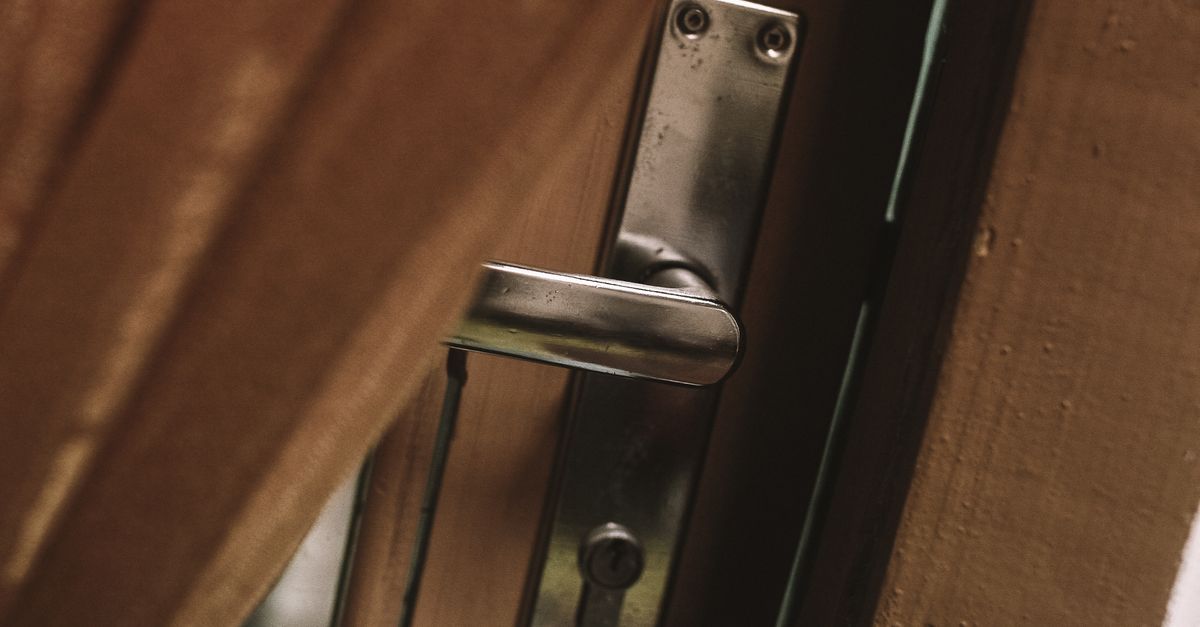
If you live near Millville, DE — or anywhere along the stretch between Bethany Beach and Fenwick Island — you've probably noticed that the salty air doesn't just fade your porch furniture. It gets into everything, including your door locks. A deadbolt that turned like butter in May can feel sticky, stiff, or downright seized by September, and a mortise lock that's been through two or three coastal winters may barely move at all. This isn't a quirk or bad luck. It's chemistry: sodium chloride particles suspended in humid Atlantic air settle into lock cylinders, keyways, and bolt mechanisms, accelerating corrosion and gumming up the internal springs and pins that make your lock actually work.
The good news is that coastal lock problems are almost always preventable — and when prevention hasn't kept up, they're fixable without replacing your entire lockset. This guide walks you through exactly why beach-area locks fail faster than inland ones, which lock types are most vulnerable, and the simple maintenance steps that keep mortise locks, deadbolts, and door knob locks turning smoothly all year. We'll also cover the point at which DIY stops being the right call and a professional locksmith should step in.
## Why Salt Air Is So Hard on Locks Near Millville
The Delaware coast sits in a marine climate where relative humidity regularly tops 80 percent from spring through fall. When you add salt-laden wind blowing in off the Atlantic — especially after a storm rolls up the Delmarva Peninsula — you get a corrosive combination that attacks metal far faster than the dry, inland air most lock hardware is designed to handle. Zinc and brass components tarnish. Steel springs weaken. Aluminum housing pits. Inside a lock cylinder, tiny steel pins and driver pins that are supposed to slide freely start to bind as oxidation builds up on their surfaces. Lubricant that was applied at the factory or during installation gets washed out by condensation and replaced by a thin film of salt residue.
Mortise locks — the rectangular cartridge-style locks common in older beach cottages and commercial storefronts along Route 26 — are particularly exposed because they have more internal components than a standard deadbolt: a latch, a deadbolt throw, a cam, and a case housing that can collect moisture in hidden pockets. A mortise lock that has been neglected through even one humid coastal season often develops stiff operation, a key that turns with grinding resistance, or a bolt that won't fully retract. Door knob locks on rental properties near the Millville area face similar issues, since renters rarely report gradual stiffness until the lock stops working entirely at the worst possible moment — usually late at night.
## The Anatomy of a Corroded Mortise Lock (and What It Costs You)
To understand why the fix works, it helps to picture what's happening inside. A standard mortise lock case contains a series of spring-loaded levers or pin stacks. When your key enters the keyway and turns, it lifts those pins or levers to the exact height that allows the cylinder plug to rotate. In a fresh, clean lock, that process takes less than a second. In a salt-corroded lock, each pin may be coated with a microscopic layer of oxidation that creates friction, requires extra force to lift, and — over time — scores the inside of the cylinder wall. You might notice the key feels gritty going in, or that you have to jiggle the key before it will turn. Left unaddressed, the cylinder can seize completely, leaving you locked out of your own home.
The same corrosion process affects the bolt mechanism itself. The deadbolt throw on a mortise lock rides on a steel cam. If that cam corrodes or the case housing rusts, the bolt may extend fine but retract sluggishly — which means the door won't open cleanly even when you have the key working. Homeowners sometimes misdiagnose this as a door alignment problem and shim the strike plate, which helps temporarily but doesn't solve the underlying corrosion. If your lock has reached this stage, a skilled locksmith can often service the mortise lock case in place: disassembling, cleaning, lubricating, and reassembling the components without requiring a full replacement.
## Simple Maintenance Steps That Actually Work for Coastal Door Locks
The most effective thing you can do is also the simplest: use the right lubricant consistently. Avoid WD-40 in lock cylinders — it's a water displacer and light solvent, not a lasting lubricant, and it can wash away the factory grease on internal pins. Instead, use a dry graphite lubricant or a PTFE-based spray (often labeled 'lock lubricant' at hardware stores) squirted directly into the keyway. Insert your key and work it in and out several times to distribute the lubricant across the pins. Do this every three to four months if you're within a mile of the water; every six months is fine if you're further inland around the Millville area. For the bolt and latch face, a thin wipe of silicone grease on the moving bolt surfaces keeps salt from bonding to the metal.
Beyond lubrication, a few structural habits make a big difference. First, check the weatherstripping around your door frame — gaps that let salty air stream across the lock face accelerate external corrosion on the trim ring and keyway cover. Second, if your mortise lock or deadbolt has a brass-finished trim plate, polish it lightly with a metal-safe cleaner twice a year; that removes the thin salt film before it etches into the surface. Third, inspect the door itself for sagging. A door that has dropped even a quarter inch — common in older beach homes where wood frames absorb humidity and shift — puts lateral stress on the bolt, making the lock work harder and wear faster. If you feel resistance when you turn the key and the bolt seems to scrape as it extends, the door alignment deserves a look before you call it a lock problem. If you're unsure whether you're dealing with a corrosion issue, a door alignment issue, or something else entirely, our team at Ocean View Locksmiths is available around the clock — call (704) 850-6756 and we can walk you through it or come out and assess it in person.
## When to Change a Lock vs. Service the One You Have
Knowing how to change a lock is useful, but replacing a lock isn't always the right first step. If a mortise lock or deadbolt is corroded but structurally sound — the cylinder housing isn't cracked, the bolt isn't bent, and the keyway hasn't been scored — professional servicing will restore smooth operation and extend the life of the existing hardware significantly. Replacement makes more sense when the lock is older than ten to fifteen years and has been exposed to coastal air without regular maintenance, when the cylinder has visible cracks or pitting, when you've moved into a property and want fresh security (which is where knowing how to rekey a lock becomes relevant — rekeying changes the internal pin configuration so old keys no longer work, without replacing the entire lock), or when an upgrade to a keypad door lock is on the table.
If you're considering a keypad lock and wondering how to change the code on a keypad door lock, the process varies by brand — Schlage and Kwikset smart locks each have their own programming sequences — but the general principle involves entering a master code, selecting a programming mode, and entering a new user code. If you've moved into a property with an existing keypad and don't know the current codes, the safest approach is a full factory reset followed by setting new codes rather than trying to work around old programming. For rental properties along the Millville coast, keypad locks are particularly practical: you can change the door lock code between tenants without scheduling a rekeying appointment, and there's no physical key to copy or lose. Our team installs and programs keypad systems regularly and can walk you through code management on-site.
## Emergency Locksmith Services and What Millville Homeowners Should Know
Even with perfect maintenance, coastal locks can fail at inconvenient times. A cylinder that was barely functional in October can seize completely on a cold January night after a storm brings humidity and a temperature drop. If you find yourself locked out, the first practical steps are always the same: check all other entry points (back door, garage, windows you may have left cracked), locate a spare key with a trusted neighbor, or contact a co-owner or property manager who may have access. If none of those options apply, that's the moment to call an emergency locksmith — not to attempt improvised methods that can damage the lock or the door frame and make the professional's job harder and more expensive.
Ocean View Locksmiths operates as a fully mobile, 24/7 emergency locksmith service throughout the Millville area, covering the Route 17 corridor, the communities around Bethany Beach, and the neighborhoods stretching toward Fenwick Island. When you call, we'll ask a few quick questions to confirm the situation and your location, then dispatch a skilled technician to you. Before any work begins, we confirm an exact price with you — the quote factors in the lock or vehicle type, the time of day, how far our technician is traveling, and whether parts are needed. There are no surprises after the fact. Whether the job is servicing a corroded mortise lock, handling a commercial locksmith call for a business on Old Mill Road, rekeying a deadbolt, or programming a new keypad, we come equipped to handle it on the spot. Call us any time at (704) 850-6756 — we answer 24/7.
## Our Locksmith Services in the Millville Area
Ocean View Locksmiths handles a wide range of residential, commercial, and automotive needs throughout Millville and the surrounding Delaware coast communities. Our services include: mortise lock installation and repair, mortise lock cylinder servicing, deadbolt installation and rekeying, door knob lock replacement and servicing, keypad door lock installation and code programming, high-security lock upgrades, master key system design, lock rekeying for new homeowners and tenants, emergency residential lockout response, emergency commercial lockout response, emergency automotive lockout response, car key cutting, transponder key programming, key fob replacement and programming, ignition lock cylinder repair, sliding door lock repair, window lock installation, mailbox lock replacement, padlock removal and replacement, commercial locksmith services for storefronts and offices, access control system installation, door frame and strike plate reinforcement, lock health inspections for coastal properties, safe opening and combination changes, and lock consultation for vacation rental properties. If your specific need isn't listed, call us — our team handles a broad scope of lock and key work across residential, commercial, and automotive settings.
Frequently asked questions
How do I know if my mortise lock needs to be serviced or fully replaced?+
The clearest signs that servicing will do the job are gradual stiffness when turning the key, a gritty feeling in the keyway, or a bolt that retracts slowly but still moves. If the cylinder housing is cracked, the keyway is visibly damaged, or the lock has completely seized despite lubrication attempts, replacement is usually the more practical route. A qualified locksmith can assess the lock in a few minutes and give you an honest recommendation — our team carries common mortise lock parts and can often complete a service call in a single visit.
How does rekeying a lock work, and when is it the right choice?+
Rekeying a lock means a locksmith disassembles the cylinder and replaces the internal pins with a new set that matches a different key cut. The lock hardware itself stays in place — only the key that opens it changes. It's typically the right choice when you've moved into a new home and want to ensure old keys no longer work, after a break-in or a lost key, or when a rental property changes tenants. It's faster and generally less involved than a full lock change while achieving the same security goal of eliminating access by anyone who held a previous key.
Can I change the code on my keypad door lock myself, or do I need a locksmith?+
Most keypad door locks from mainstream hardware brands include a programming sequence in the manual that allows homeowners to change user codes without tools. The typical process involves entering a current master or programming code, pressing a designated button, and entering the new code. Where people run into trouble is when they've lost track of the master code or the lock was set up by a previous owner. In that case, a factory reset is usually required — the steps vary by brand and model, and some lock models require a physical key override to initiate the reset. If you're stuck, our team can handle the reset and reprogramming on-site and show you how to manage codes going forward.
What should I do if I'm locked out of my home late at night near Millville?+
Start by checking every other potential entry point — back door, garage entry, any window you may have left unlocked. If you have a trusted neighbor, family member, or property manager with a spare key, that's always the quickest solution. Avoid trying to force the lock or door yourself; a bent bolt or damaged door frame turns a simple lockout into a more involved repair. If you're genuinely stuck, call Ocean View Locksmiths at (704) 850-6756 — we operate 24/7, including holidays and late nights, and we serve the full Millville area. We'll confirm your location, give you an up-front price before we start any work, and dispatch an experienced technician to get you back inside safely.